Category: mitochondrial dysfunction
-
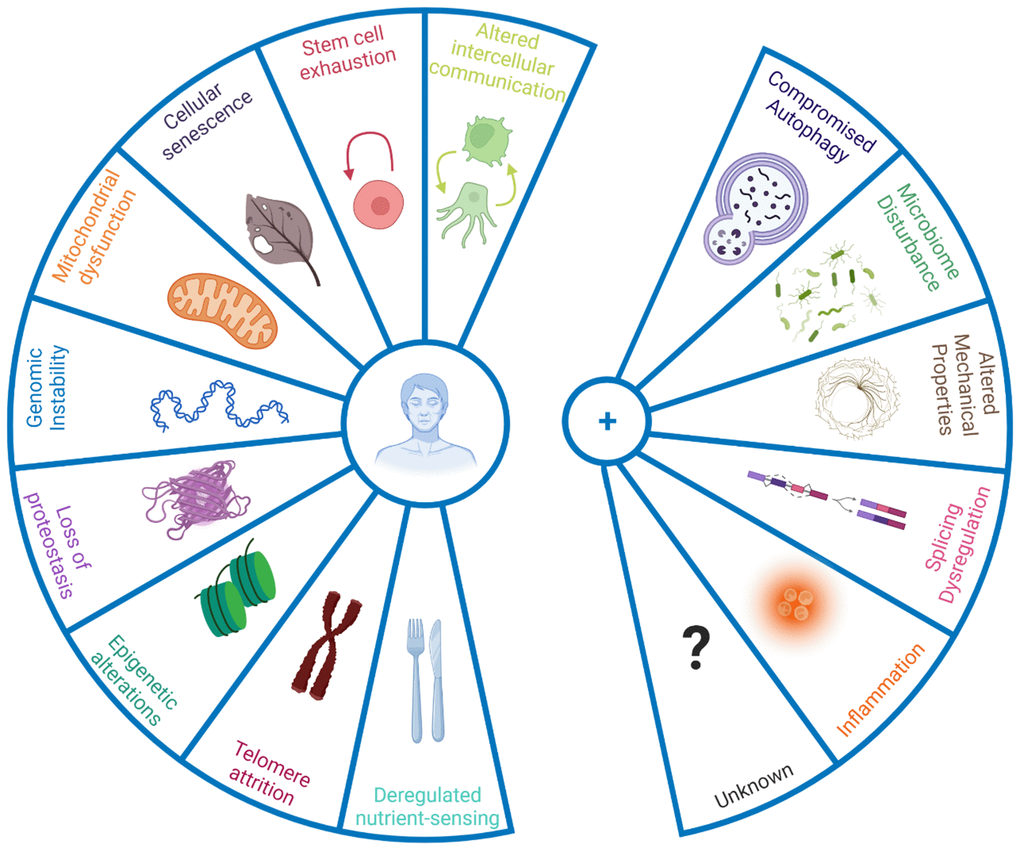
New hallmarks of ageing
The new hallmarks of ageing, discussed in a 2022 Copenhagen meeting, expand on the original nine proposed in 2013. These new hallmarks include compromised autophagy, microbiome disturbance, altered mechanical properties, splicing dysregulation, and inflammation. Understanding these hallmarks may lead to interventions for healthy aging and age-related diseases.
-
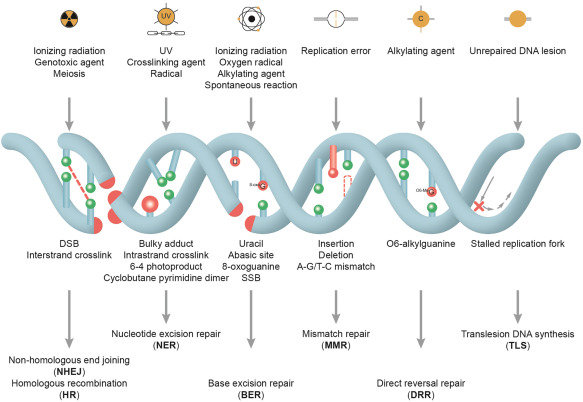
Genomic instability and aging
The mammalian DNA damage response involves various repair pathways to address diverse DNA lesions caused by damaging agents like UV and chemicals. Genomic instability plays a critical role in aging, contributing to age-related diseases. To combat this, interventions like physical exercise, dietary restriction, supplementation, and DNA repair stimulation can attenuate…
-

Nicotinamide riboside rescues Rev1 deficiency
Rev1 deficiency causes metabolic shift and mitochondrial dysfunction in MEFs. NAD+ precursor nicotinamide riboside can manipulate these effects. Autophagy decreases in Rev1-/- MEFs but can be restored with NR supplementation. Abnormal mitochondrial morphology can be partially reversed with NR, which also protects mitochondrial cristae. Rev1 deficiency leads to metabolic dysregulation,…
-
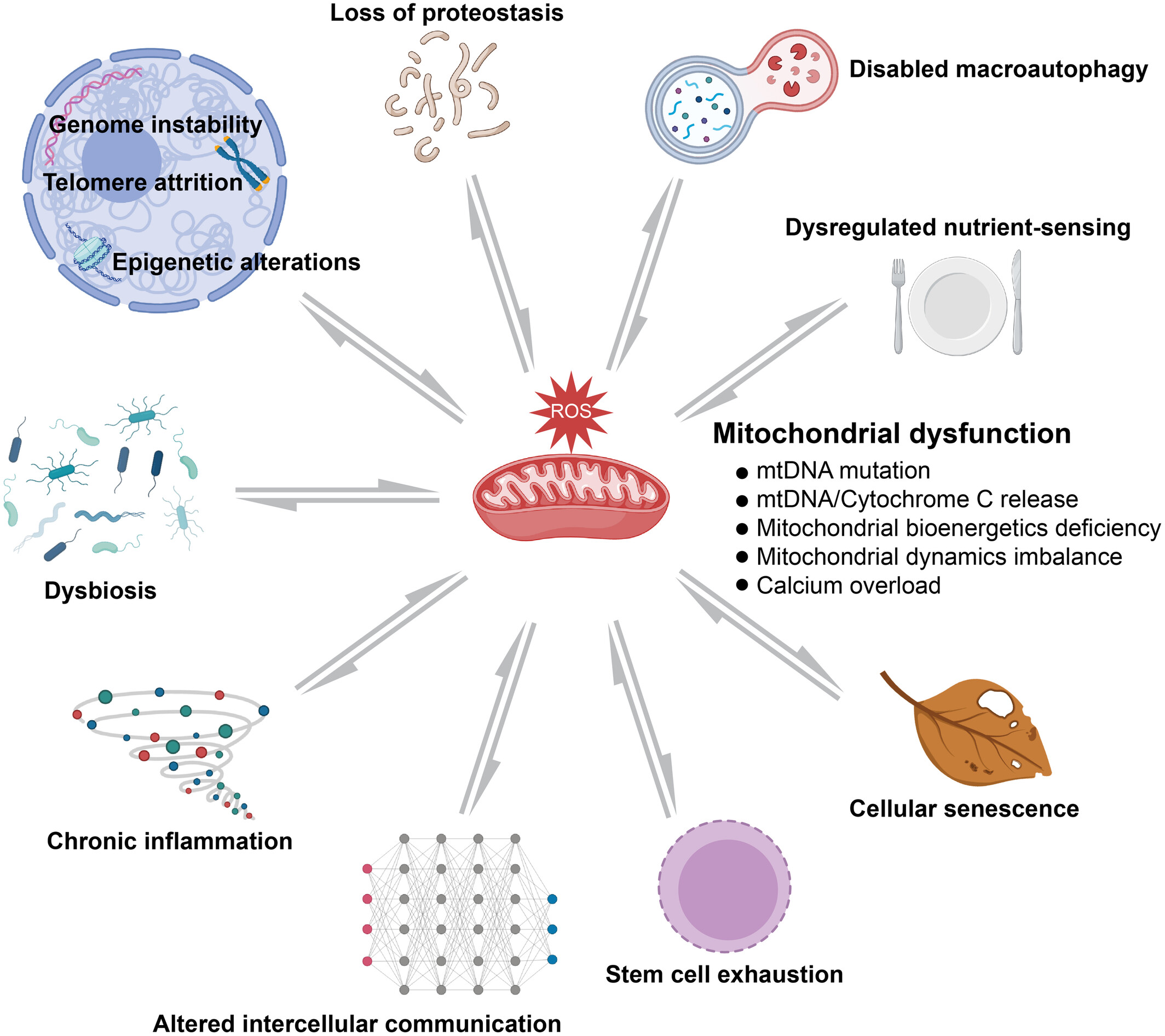
Interactions between mitochondrial dysfunction and other hallmarks of aging
Research on human aging, guided by the “hallmarks of aging,” now considers the interplay between different hallmarks and their impact on healthy aging. Recent findings emphasize the intricate connection between mitochondrial dysfunction and other aging hallmarks. Understanding these interactions is crucial for developing effective interventions to promote healthy aging and…