Category: mitophagy
-

Urolithin A improves Alzheimer’s disease
Urolithin A (UA) enhances cGAS-STING activation, promoting cytosolic DNA clearance and modulating innate immune responses. This makes UA a potential therapeutic option for diseases involving cGAS-STING pathway activation or cytosolic DNA accumulation, with no reported adverse effects in animal models and limited human trials. Further research in relevant animal models…
-
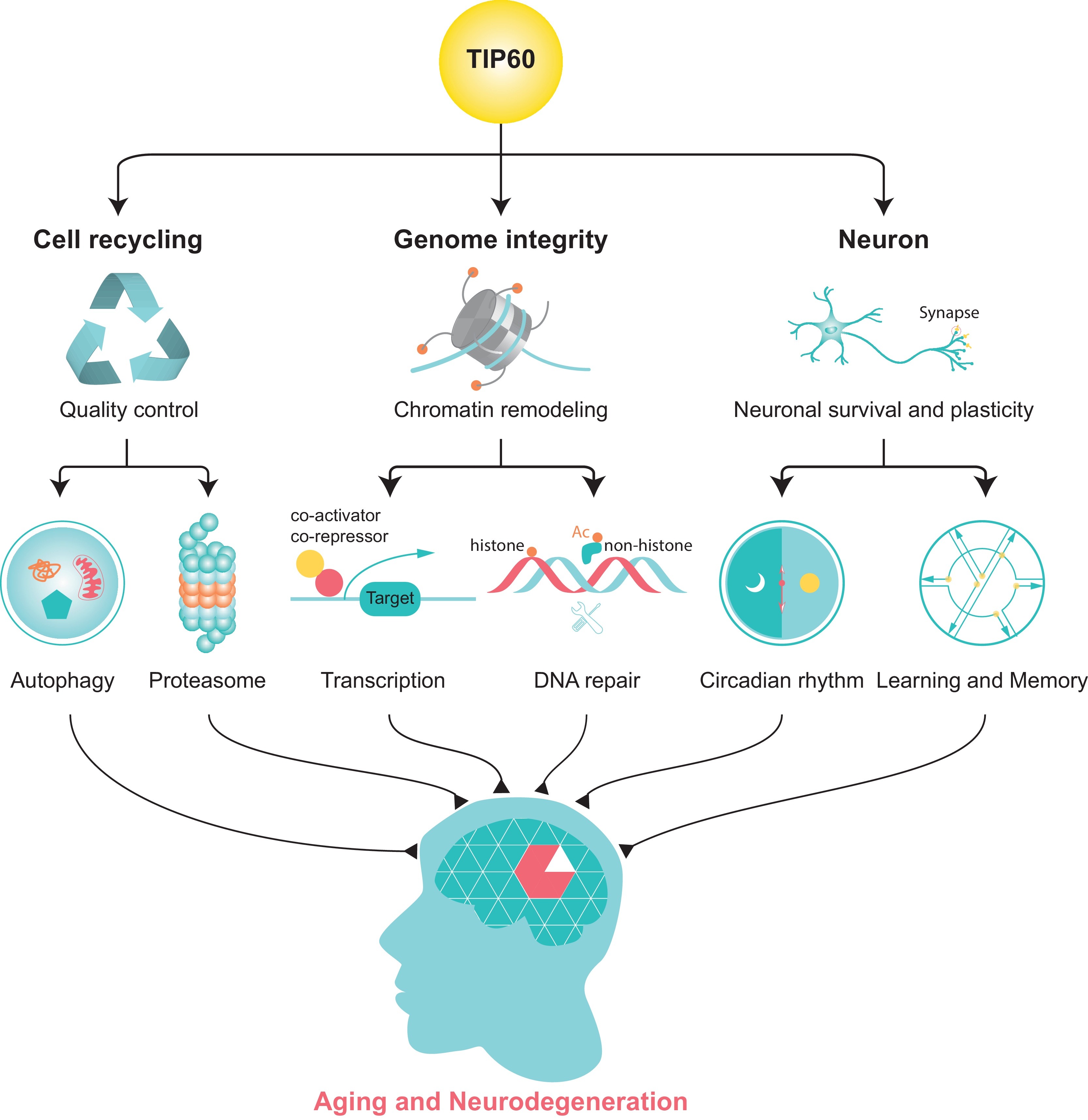
TIP60 in aging and neurodegeneration
TIP60, a histone acetyltransferase, regulates diverse pathways like autophagy, DNA repair, and neuronal functions, impacting aging and neurodegeneration. It holds promise as a therapeutic target for Alzheimer’s disease. Drosophila models provide insight into its neurobiological roles. Understanding TIP60’s functions may contribute to maintaining cellular homeostasis and counteracting aging and neurodegeneration.
-
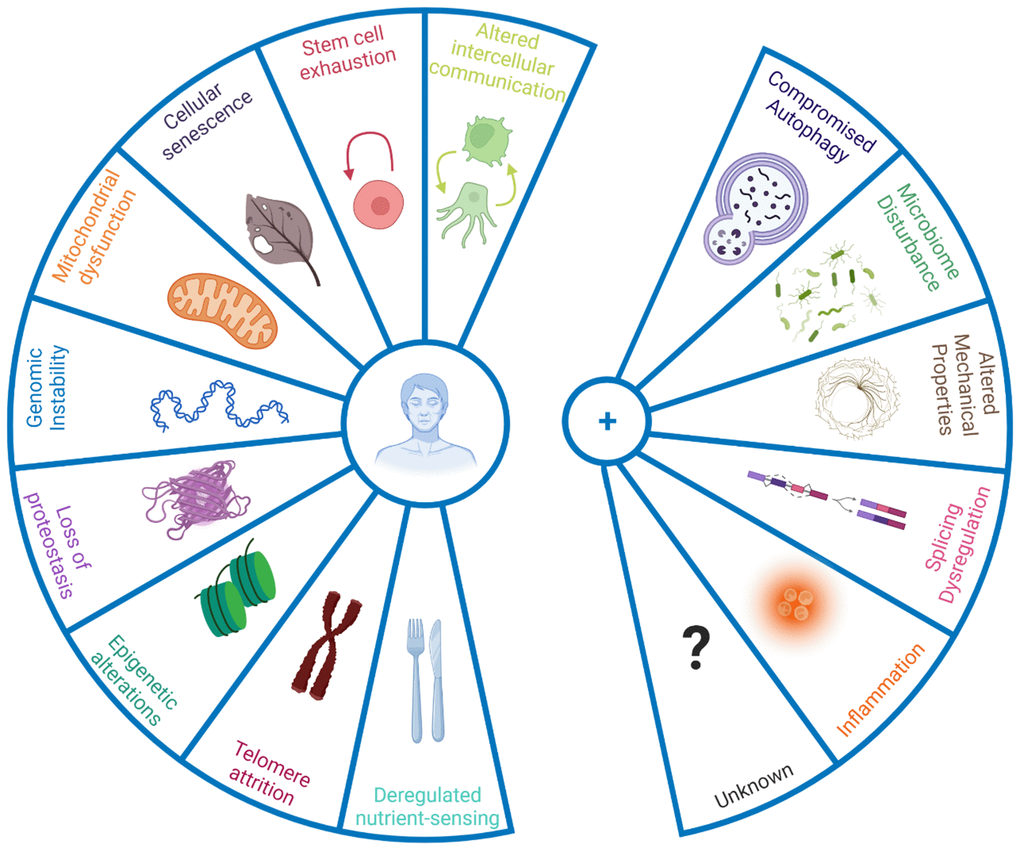
New hallmarks of ageing
The new hallmarks of ageing, discussed in a 2022 Copenhagen meeting, expand on the original nine proposed in 2013. These new hallmarks include compromised autophagy, microbiome disturbance, altered mechanical properties, splicing dysregulation, and inflammation. Understanding these hallmarks may lead to interventions for healthy aging and age-related diseases.
-
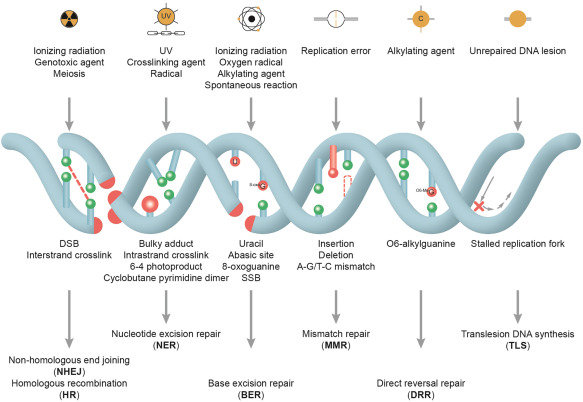
Genomic instability and aging
The mammalian DNA damage response involves various repair pathways to address diverse DNA lesions caused by damaging agents like UV and chemicals. Genomic instability plays a critical role in aging, contributing to age-related diseases. To combat this, interventions like physical exercise, dietary restriction, supplementation, and DNA repair stimulation can attenuate…
-

Nicotinamide riboside rescues Rev1 deficiency
Rev1 deficiency causes metabolic shift and mitochondrial dysfunction in MEFs. NAD+ precursor nicotinamide riboside can manipulate these effects. Autophagy decreases in Rev1-/- MEFs but can be restored with NR supplementation. Abnormal mitochondrial morphology can be partially reversed with NR, which also protects mitochondrial cristae. Rev1 deficiency leads to metabolic dysregulation,…
-

Frontal lobe transcriptomics identifies key mitophagy gene changes in AD patients
This study analyzed frontal lobe transcriptomic data to identify mitophagy gene changes in Alzheimer’s disease (AD) brain. They found 299 candidate mitophagy-related differentially expressed genes in AD patients, with four key genes showing down-regulation. Validation in human in vitro models suggested their relevance as potential AD biomarkers or pharmacological targets.